Everest Base Camp Trek 2027
Everest Base Camp Trek 2027: Everything You Need to Know
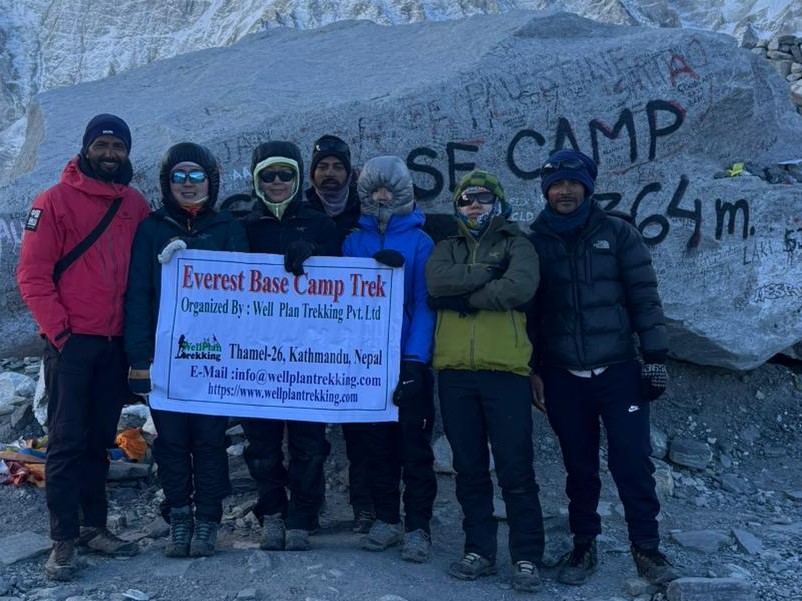
If you’re planning an Everest Base Camp trek in 2027, you’re preparing for one of the great walks of the Himalayas, and I want you to arrive ready. Everest Base Camp trekking has been the benchmark for Himalayan adventure for generations, and it isn’t just hype. The trail climbs from Sherpa villages and prayer-flag ridges through rhododendron and juniper forest, then up into a stark world of moraine and ice. Base camp sits at roughly 5,364 meters, but the real highlight is the viewpoint at Kala Patthar, around 5,545 meters, because that’s where Everest finally shows itself properly. From base camp itself the mountain hides behind its neighbors, which surprises a lot of people.
What I love most about this trek is how social it is. Teahouses appear every few hours, Namche Bazaar has bakeries and gear shops, and monasteries like Tengboche give the days a rhythm that has nothing to do with the clock. You don’t need mountaineering skills. You need decent fitness, patience, and a healthy respect for altitude, and honestly, patience matters most.
Choosing the Right Trek for Your Time and Fitness
The classic itinerary runs about 12 to 14 days from Lukla, passing through Phakding, Namche, Tengboche, Dingboche, and Lobuche before reaching base camp. Two acclimatization days are built in, and I’ll say this plainly: do not trim them to save time. Many travelers ask whether they can do less, and for those with a tight calendar, a short Everest Base Camp trek of roughly 7 to 9 days is possible if you fly into Lukla, walk at a steady pace, and return by helicopter. It suits fit trekkers with some altitude experience. The days you save should come from the descent, never the climb.
If you’d like something with fewer crowds, I often suggest the Everest Base Camp trek via Gokyo, which adds a climb to Gokyo Ri at about 5,357 meters and a crossing of the Cho La Pass before rejoining the main trail. It takes around 15 to 18 days, and it gives you turquoise glacial lakes and quiet trails on top of the iconic finish. Some trekkers fall so in love with that valley that they skip base camp entirely and choose Everest Gokyo Lake trekking as a trip of its own, spending 9 to 12 days around the sacred lakes above 4,700 meters with Everest, Lhotse, and Cho Oyu on the horizon.
For the truly adventurous, Everest Three Pass trekking links Kongma La, Cho La, and Renjo La, all above 5,300 meters, into a full loop of the Khumbu. It takes 18 to 21 days and demands strong fitness and a reliable weather window, so I rarely recommend it for a first Himalayan trip. At the other end of the spectrum, Everest Panorama trekking keeps you below about 3,900 meters while still delivering views of Everest, Lhotse, and Ama Dablam from Namche, Khumjung, and Tengboche. It’s perfect for families and older trekkers, and for anyone who wants to test their comfort at elevation before committing to something bigger.
Finally, flights into Lukla get delayed or cancelled, especially in monsoon and winter, which is why some trekkers prefer an Everest Base Camp trek by road. You drive to Phaplu or Salleri in the Solu region and trek up toward Namche from there. It adds a few days, but the gradual approach through Rai and Sherpa villages helps your body adjust, and it removes the biggest scheduling risk of the whole trip.
Best Seasons for the Everest Base Camp Trek 2027
Autumn, from late September through November, is the favorite for good reason. The skies are crisp and clear, the mountains look sharp enough to touch, and temperatures stay manageable even at higher elevations. The trade-off is crowds. Trails are busy, lodges fill up early, and flights book out fast, so if autumn is your plan, reserve months in advance.
Spring, from March to May, comes a close second. The lower valleys bloom with rhododendrons in pinks and reds, days feel warmer, and the trail has an energetic atmosphere because climbing expeditions are arriving at base camp. Views can be slightly hazier than in autumn, but the mood is wonderful.
Winter, from December to February, is cold, quiet, and often brilliantly clear. Lodges have more room and teahouse owners have time to sit and talk, but the cold is serious and the high passes can be icy or closed. Monsoon, from June to August, brings rain, leeches, clouded peaks, and flight disruptions, so I’d skip it unless you enjoy uncertainty. For a first trek, my honest recommendation is October or April.
Updated Permit Requirements
Permit rules in Nepal change often, so treat this section as a starting point and confirm everything with a licensed agency or the Nepal Tourism Board before you travel. I’ve watched trekkers arrive with information from a two-year-old blog post and lose half a day sorting it out.
At the time of writing, the TIMS card is no longer required in the Khumbu region, since the local Khumbu Pasang Lhamu Rural Municipality permit now covers what TIMS previously handled. In practice, most foreign trekkers need two permits: a Sagarmatha National Park entry permit costing roughly NPR 3,000, and a Khumbu Pasang Lhamu Rural Municipality permit costing roughly NPR 2,000. Together that comes to around USD 50. The municipality permit can be obtained at the local counter in Lukla shortly after landing, while the national park permit can be purchased or verified at the Monjo gate.
My advice is to carry printed copies of everything alongside your passport, because checkpoints at Monjo and the village entrances do check, and phone signals aren’t reliable enough to count on a digital photo. Keep your permits and insurance papers in a waterproof sleeve at the top of your daypack, and ask your agency directly about current rules on guides and fees, since both have shifted in recent seasons.
Preparation: Training, Gear, and Altitude
Start training months before you fly, not weeks. Long hikes with a loaded pack, stair climbing, and steady cardio will do far more for you than gym strength alone. Break in your boots thoroughly, because a blister at 4,000 meters can end a trek faster than any altitude problem. Pack in layers, with a base layer, a fleece or down mid-layer, and a waterproof shell, and bring a sleeping bag rated to around minus 10 degrees Celsius for the higher teahouses, since the blankets aren’t always enough. Carry Nepali rupees in cash because ATMs disappear after Namche, and bring a water filter or purification tablets so you aren’t adding to the plastic the region struggles to manage.
Altitude deserves its own conversation, because it doesn’t care how fit you are. I’ve watched marathon runners turn around at Dingboche while a retired schoolteacher walked steadily to Kala Patthar, and the difference was almost always patience. Above 3,000 meters, try to gain no more than 300 to 500 meters of sleeping altitude per day, and treat rest days as part of the trek rather than a delay. If you develop a headache, nausea, or dizziness that gets worse instead of better, the answer is simple: go down, not up. Talk to your doctor about Diamox before you leave home, not when you’re halfway up the valley.
Costs and Booking Tips
For teahouse trekking in the Khumbu, I usually tell people to budget roughly USD 30 to 50 per day for a basic room, three meals, and plenty of tea. Prices rise as you climb, because everything arrives on the back of a porter or a yak. On top of that you’ll pay about USD 50 for permits, around USD 25 to 35 per day for a licensed guide, and roughly USD 20 to 25 per day if you hire a porter. The flight to Lukla is usually the largest single expense, so check current fares with your operator.
Book early, especially if you’re aiming for autumn or spring, because flights are limited and lodges fill fast. Choose a licensed, locally run agency with clear inclusions and a transparent cancellation policy, and ask about group size and guide ratios, since smaller groups tend to move at a more comfortable pace. Build a spare day or two into your schedule at both ends, because weather delays at Lukla are normal rather than a rare disaster, and in peak seasons flights sometimes operate from Ramechhap instead of Kathmandu, so ask what to expect. Finally, confirm that your insurance covers helicopter evacuation up to your highest planned altitude before you pay a deposit. The fine print on maximum elevation is where trekkers get caught out.
Respecting the Khumbu
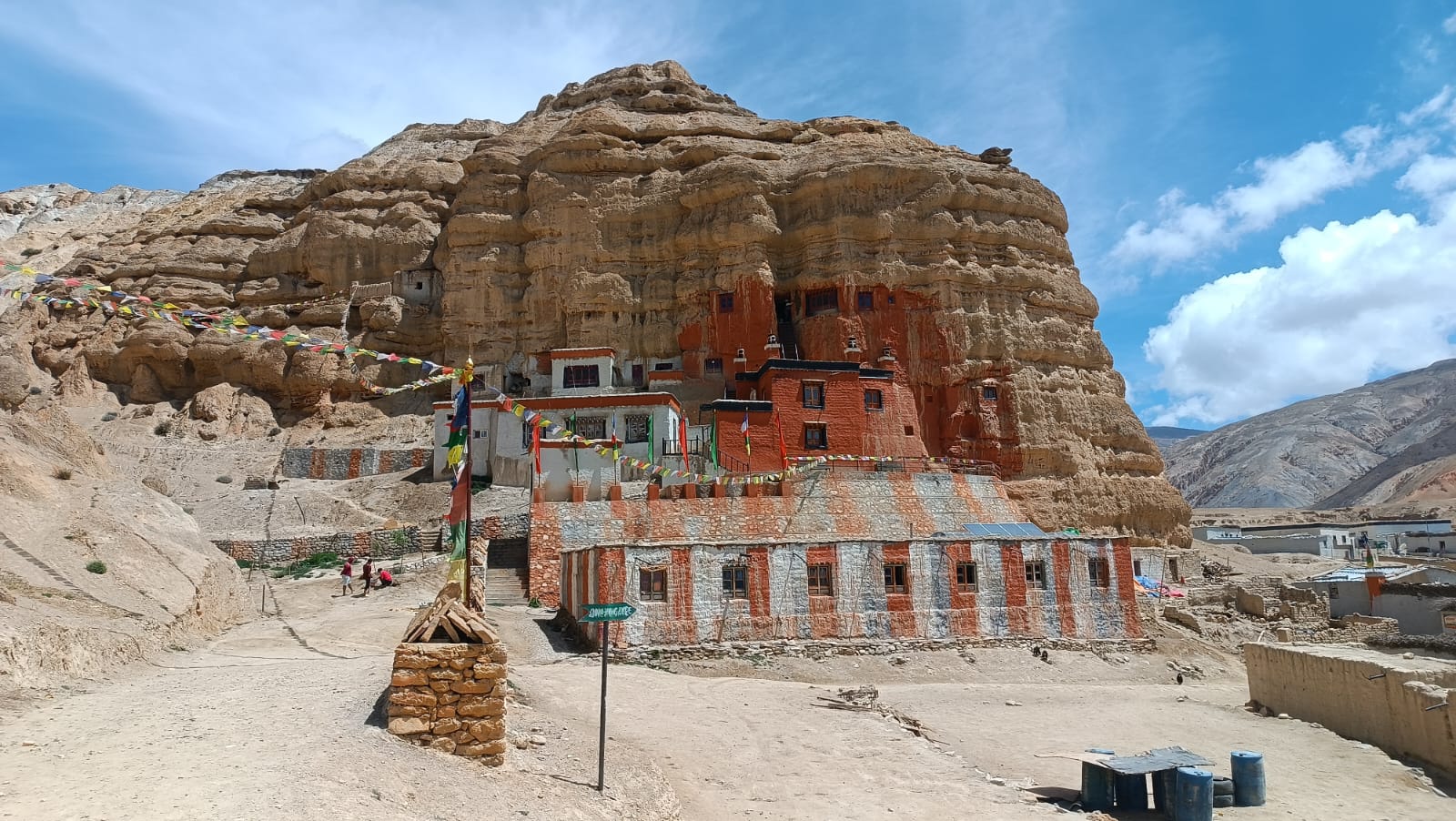
The Khumbu is home to Sherpa communities whose lives are woven into these mountains. Walk to the left of mani walls and chortens, ask before photographing people or monasteries, carry out your trash, and spend your money in local teahouses and shops. These small habits are what keep this place worth visiting.
Final Thoughts
Whatever route you choose, the Everest Base Camp trek 2027 rewards those who plan well and walk slowly. Respect the altitude, confirm your permits, book early, and let the mountains do the rest. The flight into Lukla is the easy part. Everything that comes after is the trip you’ll still be telling people about years from now.