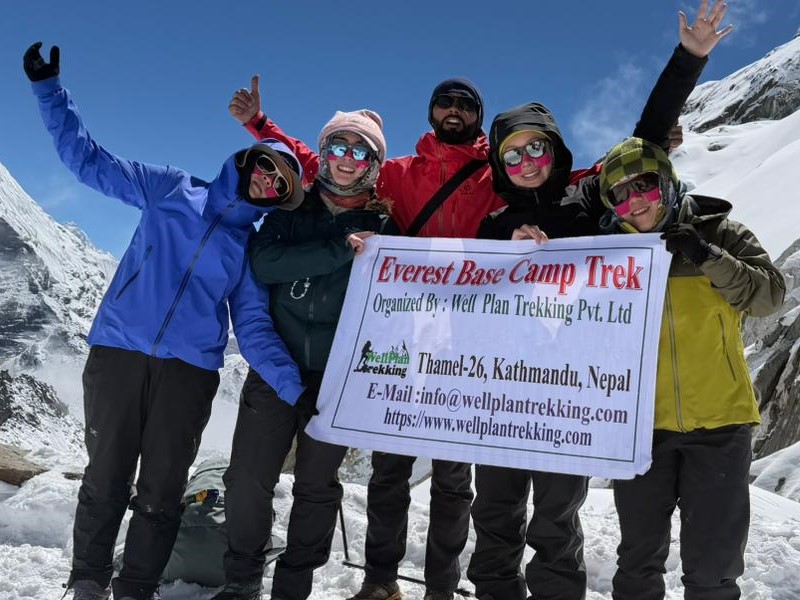
High Altitude Treks in Nepal
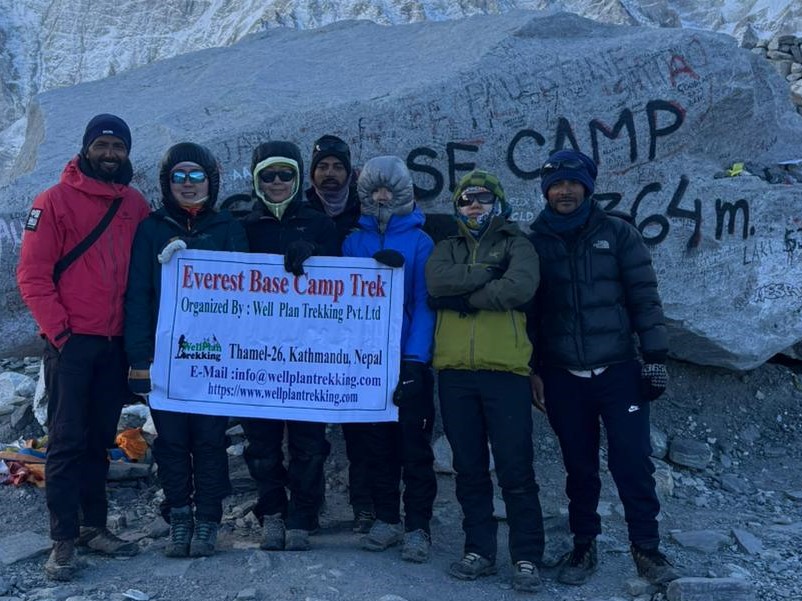
High Altitude Treks in Nepal
High Altitude Treks in Nepal. There is a famous piece of advice that local Sherpas and trekking guides love to give to nervous city dwellers: “The mountains do not care how many reps you did at the gym.” It sounds blunt, but it contains a massive truth. Every year, perfectly fit marathon runners and gym enthusiasts find themselves gasping for air on the steep trails. Meanwhile, older travelers walking at a turtle’s pace wander right past them with a smile.
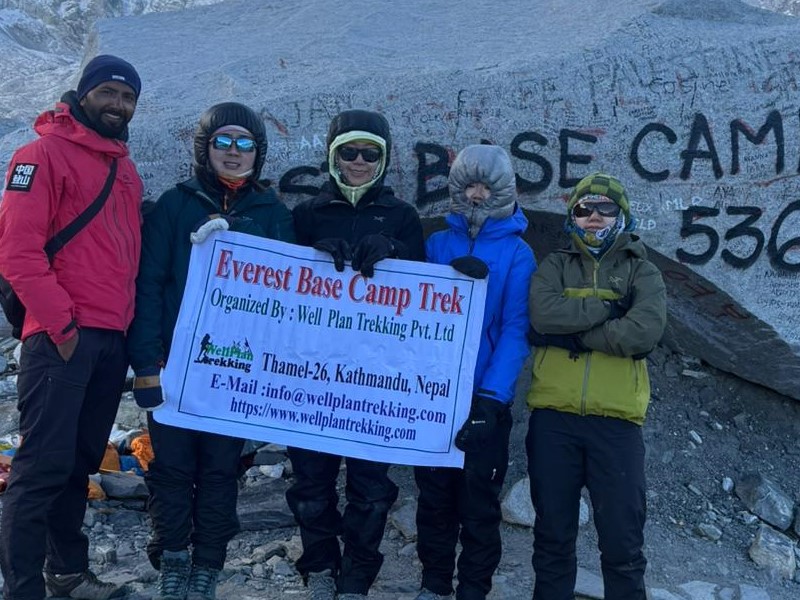
Trekking in the Himalayas is not a test of explosive athletic power; it is an exercise in sustained endurance, physical patience, and full-body resilience. You are teaching your body how to move for five to seven hours a day, every day, for weeks on end. If you are planning a high-altitude trek in Nepal like the Everest Base Camp Trek or the diverse Annapurna Circuit Trek, you need a training plan built for the actual reality of the trail. This practical guide breaks down exactly how to prepare your lungs, legs, gear, and mind for the journey of a lifetime.
The Reality of High Altitude
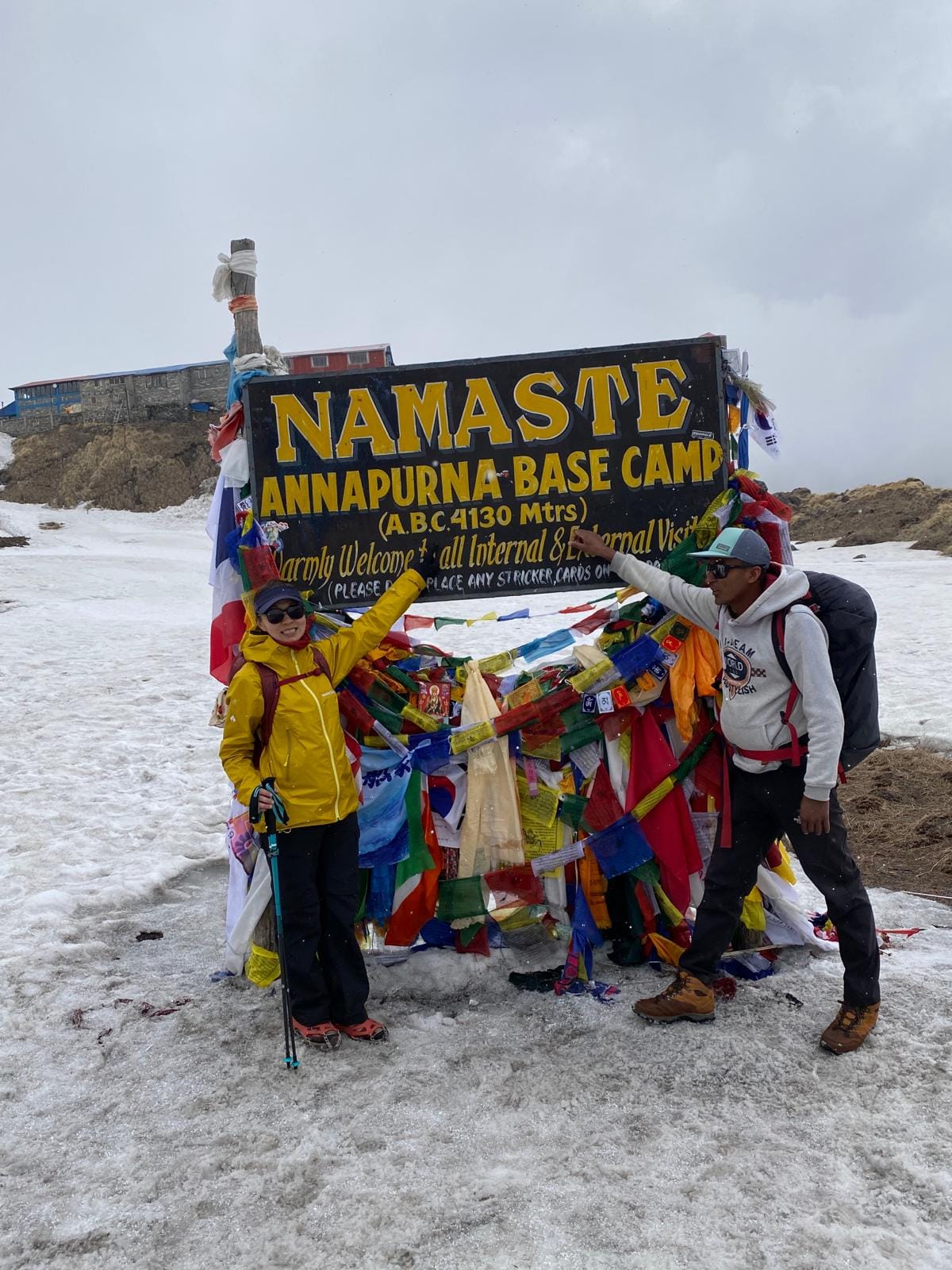
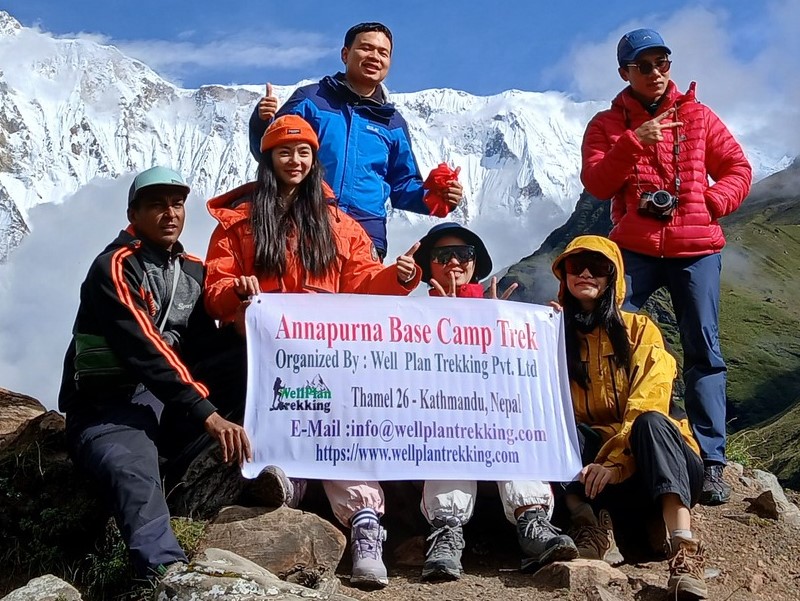
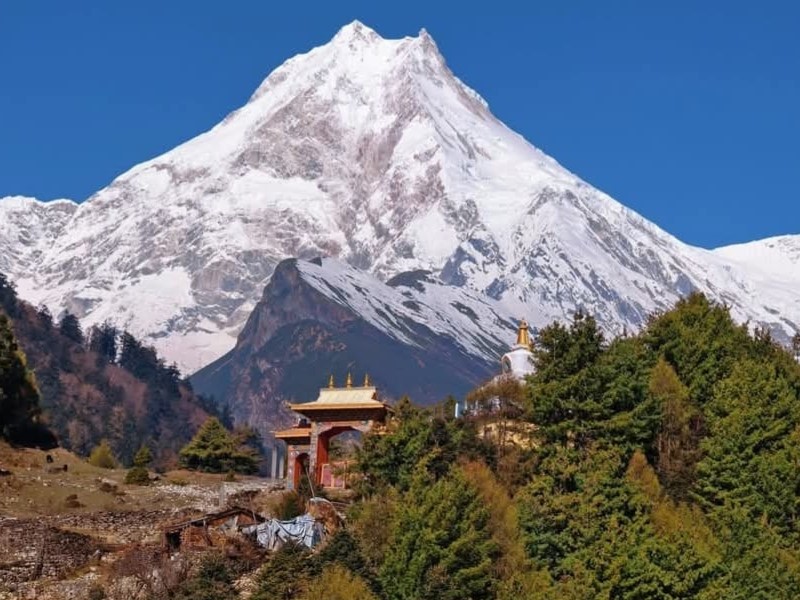
Before stepping onto the trail, you need to understand what your body is about to face. Whether you are setting your sights on the Everest Three Passes Trek, the Annapurna Base Camp (ABC) Trek, the remote Upper Dolpo Trek, or something equally adventurous, the altitude challenges remain similar. At sea level, every breath pulls a full load of oxygen into your lungs effortlessly. As you climb higher, the atmospheric pressure drops and the air becomes thinner. By the time you stand above 5,000 meters on a route like the Manaslu Circuit Trek, a single lungful contains roughly half the oxygen it would at sea level.
Your breathing quickens, your pulse rises, and even climbing a short hill can feel surprisingly exhausting. This is not a sign of weakness; it is your system working overtime to compensate for the thin air. Fortunately, the human body is remarkably resilient and adaptive. Given enough time, it naturally begins producing more red blood cells, breathing more efficiently, and learning to do more with less. This process is called acclimatization. A slow, deliberate ascent is the ultimate secret to turning a potentially miserable trek into an incredible one.
Building Lung Efficiency and Stamina
Your primary goal is to build a resilient respiratory system capable of sustained effort over long distances. When preparing your lungs for the trail, focus entirely on exercising at a steady, moderate pace where your heart rate is elevated. However, you can still comfortably maintain a full conversation. If you are pushing so hard that you cannot speak, you are training for explosive speed rather than the patient, long-distance endurance required on a mountain trail.
To match the actual terrain of Nepal, the gym stair-climber is your best tool for building the muscle endurance needed for endless, uneven stone steps. This foundation is vital for demanding expeditions like the Yala Peak climb, where you will need consistent lung efficiency to power your way through steep, high-altitude ascents in thinning air. Alternatively, low-impact activities like cycling or rowing expand your lung capacity without putting pounding stress on your knees and ankles before the trip. Swimming is another excellent choice, as it trains you to control your breathing under pressure, a vital skill for when the mountain air begins to thin.
For the best results, aim for three to four of these cardiovascular sessions each week. As your fitness improves, focus on gradually increasing the total duration of your workouts rather than ramping up the intensity or speed.
Protecting Your Knees, Core, and Back
High Altitude Treks in Nepal, Preparing for the Himalayas does not require lifting massive weights, but it does demand targeted structural strength to handle rough, rocky terrain. While walking uphill taxes your quads and glutes, the long descents down endless stone steps place immense shock on your knees and calves. Furthermore, even if porters carry your main luggage, you will still bear a personal daypack weighing five to seven kilograms. Without a resilient core and lower back, that modest weight will quickly translate into fatiguing muscle aches by mid-afternoon.
To protect your joints, practice functional movements twice a week. Do high-rep step-ups onto a bench while wearing a loaded backpack to simulate the trail, and add squats and lunges to build lower-body stability for uneven ground. Finally, use planks to strengthen your core and back, which keeps your posture upright and your spine protected when fatigue sets in.
The Essential Training Strategy
Nothing replaces the specific physical conditioning of putting boots on dirt and walking outside, making a weekly outdoor hike the centerpiece of your preparation. This is your chance to break in your boots early. Never step onto a trail in Nepal wearing brand-new footwear; a severe blister on day two can easily ruin your entire trip. Buying your boots early and wearing them on every training hike molds the material to the unique shape of your feet and hardens your skin against painful friction points.
Do not go on these hikes empty-handed. Carry the exact daypack you plan to use in Nepal, loaded with five to seven kilograms of weight to train your shoulders, neck, and lower back. As your fitness improves, practice hiking on consecutive days, such as a long walk on Saturday followed by a shorter one on Sunday. This simulates the true rhythm of a multi-day itinerary, essential if you are preparing for the relentless uphill stone steps of the Gosaikunda Lake Trek. It teaches your body and mind how to wake up and move efficiently when your legs are already tired.
Mental Preparation
High Altitude Treks in Nepal, Physical fitness keeps your body moving, but your mindset determines how you experience the journey. High-altitude trekking is a slow, psychological game. On the trail, you will face freezing mornings, basic teahouse accommodations, unpredictable weather, and moments where your legs feel like lead. This mental battle intensifies on demanding routes like the Lobuche Trekking, where sleeping in cold, exposed high camps and pushing through midnight summit starts requires sheer focus. Embracing these daily discomforts as an authentic part of a grand Himalayan adventure, rather than as obstacles to overcome, is the key to mental readiness.
In the mountains, speed is your enemy. The trekkers who struggle the most are often those who treat the trail like a competition, pushing too hard and draining their energy early. True success belongs to those who adopt a calm, patient pace. By matching your steps to your breathing, you can stay fully present to enjoy the towering landscapes and the unique warmth of the mountain communities you are passing through.
Hydration and Nutrition
The air in the Himalayas is exceptionally dry, causing you to lose massive amounts of moisture simply through rapid breathing. Because your body requires extra fluids to process oxygen efficiently at high elevations, daily hydration is non-negotiable. Aim to drink three to four liters of water every day, using purification tablets or a dependable filtration system to ensure it is safe.
Alongside water, your body burns a tremendous number of calories just to stay warm and functional. The trail is no place to restrict your food intake; you need hearty, carbohydrate-rich meals to recover each night. This energy demand skyrockets on physically punishing routes like the Dhaulagiri Circuit Trekking, where navigating glaciated passes and freezing temperatures burns fuel at double your normal rate. The ultimate fuel for this journey is the classic local dish, Dal Bhat. This fresh, nutrient-dense meal of lentil soup, rice, and vegetable curry is packed with clean, vegetarian energy, giving rise to the famous Nepali saying: “Dal Bhat power, 24 hour.”
Listening to Your Body
Passing 3,000 meters brings normal physiological changes. You might experience a mild headache, a lighter sleep pattern, or brief breathlessness when lifting your pack—all common signs that your body is working to adapt. However, you must remain strictly honest with yourself and your guide. If a mild headache transforms into severe, throbbing pain, or is accompanied by nausea, dizziness, extreme fatigue, or a loss of coordination, these are clear warning signs of Acute Mountain Sickness (AMS).
The golden rule of the Himalayas is absolute: never ascend with symptoms of altitude sickness. If you feel unwell, the standard procedure is to rest at your current altitude for 24 hours and hydrate. If your symptoms do not improve, you must immediately descend to a lower elevation. This rule becomes non-negotiable on demanding expeditions like the Larke Peak Trek, where pushing through warning signs at extreme elevations can quickly become dangerous. Taking a step down is never a sign of failure; it is the mark of a smart, responsible trekker who respects the power of the mountains.
Summary Timeline for Your Next High Altitude Treks in Nepal
A successful preparation strategy weaves all of these elements together over the months leading up to your departure. Dedicate the early phase of your training to steady cardio like cycling, swimming, or the stair-climber to build deep lung efficiency. As your departure approaches, integrate targeted leg and core exercises into your routine to bulletproof your joints. Every weekend, take your training outside by going on real outdoor hikes, using the opportunity to break in your boots and condition your upper body with a loaded daypack.
Ultimately, physical readiness is only half the equation. Whether you are walking through the rhododendron forests of the Langtang Valley Trek or the wild, untouched borders of the Kanchenjunga Base Camp Trek, the principles remain the same. By arriving in Nepal with well-tested gear, a commitment to daily hydration, and a patient mindset that respects the slow pace of the mountains, you ensure that you won’t just survive the rigorous trails, allowing you to lift your head, breathe deeply, and fully absorb the unforgettable beauty of the highest peaks on Earth.