Things to Know Before Trekking in Nepal
Things to Know Before Trekking in Nepal
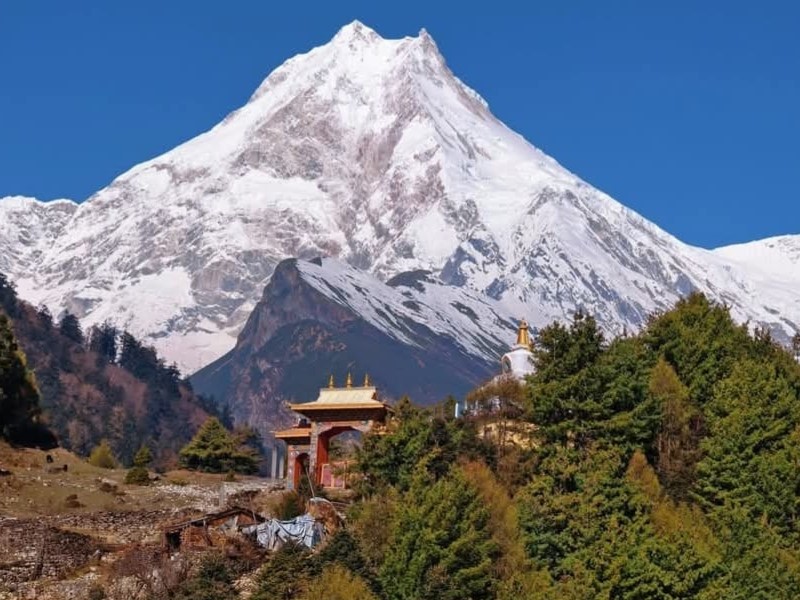
Trekking in Nepal is becoming one of the best experiences to have, and you can see more and more people heading to the Himalayas every year to experience the mountains, meet local people, get new insights about life, and push themselves physically. And, if you’re also planning to do a trek in Nepal but have no idea what you’re getting into, don’t worry, you are at the right place. We’ve got you with everything you need to know before your trek in Nepal.
Nepal sits right next to some of the tallest mountains in the world. Eight of the world’s 14 highest peaks are in Nepal, including Mount Everest. And the cool thing is that you don’t need to be a professional climber to trek here. Nepal has trails for absolutely everyone, from people just wanting a nice walk to serious mountaineers. The trails are designed in a way that lets regular people experience the mountains without needing special climbing skills. And, when you trek here, you’re also supporting local guides, porters, lodge owners, and entire villages. The trekking industry has become really important for our economy, especially in the mountain areas where jobs are hard to find.
Picking the Right Time to Trek
The timing of your trek will make or break your entire trip. Trekking at the right time can make your trek best, whereas choosing the wrong time can make you face dangerous conditions.
The Best Times to Trek
Autumn (September to November)
Autumn is the busiest season for good reason. October and November are honestly the best months as the weather is stable, nice, and you won’t get sudden storms or crazy temperature changes. The sky is usually really clear, giving a clear view of the mountains. If you’re 3,000 meters up, it’s probably around 10°C to 20°C during the day, which is usually comfortable for walking. However, at night it gets cold, and the normal temperature can be around 5°C to 5°C. The best part about autumn is the views. You get these crystal clear days where you can see for miles. The air is fresh, clean, and your photos look good. However, the trails get crowded during this time, but it’s worth it because you know the weather will cooperate.
Spring (March to May)
Spring is another really good time, as the weather is warm and pretty steady. March and April are especially nice as you can see flowers everywhere. The landscape is green and alive. It’s not quite as reliable as autumn, though sometimes in early spring you might get a random cold day. But overall, if you go in March or April, you’ll have a good experience.
Times You Should Avoid
Monsoon Season (May to September)
During the monsoon, heavy rain comes almost every day, which makes the trails muddy and slippery. Landslides happen sometimes. The mountains get covered in clouds, so it’s a little tough to see the mountains. Many popular trails actually close during the monsoon because they’re too dangerous. The only exception is if you want to go to Upper Mustang or Dolpo. These areas are actually fine to trek even in this season.
Winter (December to February)
Winter is cold, and it can get even colder at higher elevations. It snows a lot above 3,000 meters. And the mornings and evenings are usually foggy, making the views of the mountains unclear. If you’re new to trekking, winter is rough. You can trek at lower elevations in winter, but if you’re planning to go high up, you need serious experience and special gear.
Getting Your Body Ready
Most treks have you walking 5 to 7 hours every single day. You’re going uphill, and you’re breathing hard. If you just show up without training, you’ll have a really tough time. Therefore, it’s important to know beforehand what level of fitness it really requires for the trek that you’ve chosen.
What Fitness Level Do You Actually Need?
Easy treks (like Poon Hill): You need to be able to walk for about 5-7 hours a day. You’re carrying a light backpack (5-8 kg). If you’re a normal person who gets some exercise, you can do this, as the trails don’t go super high.
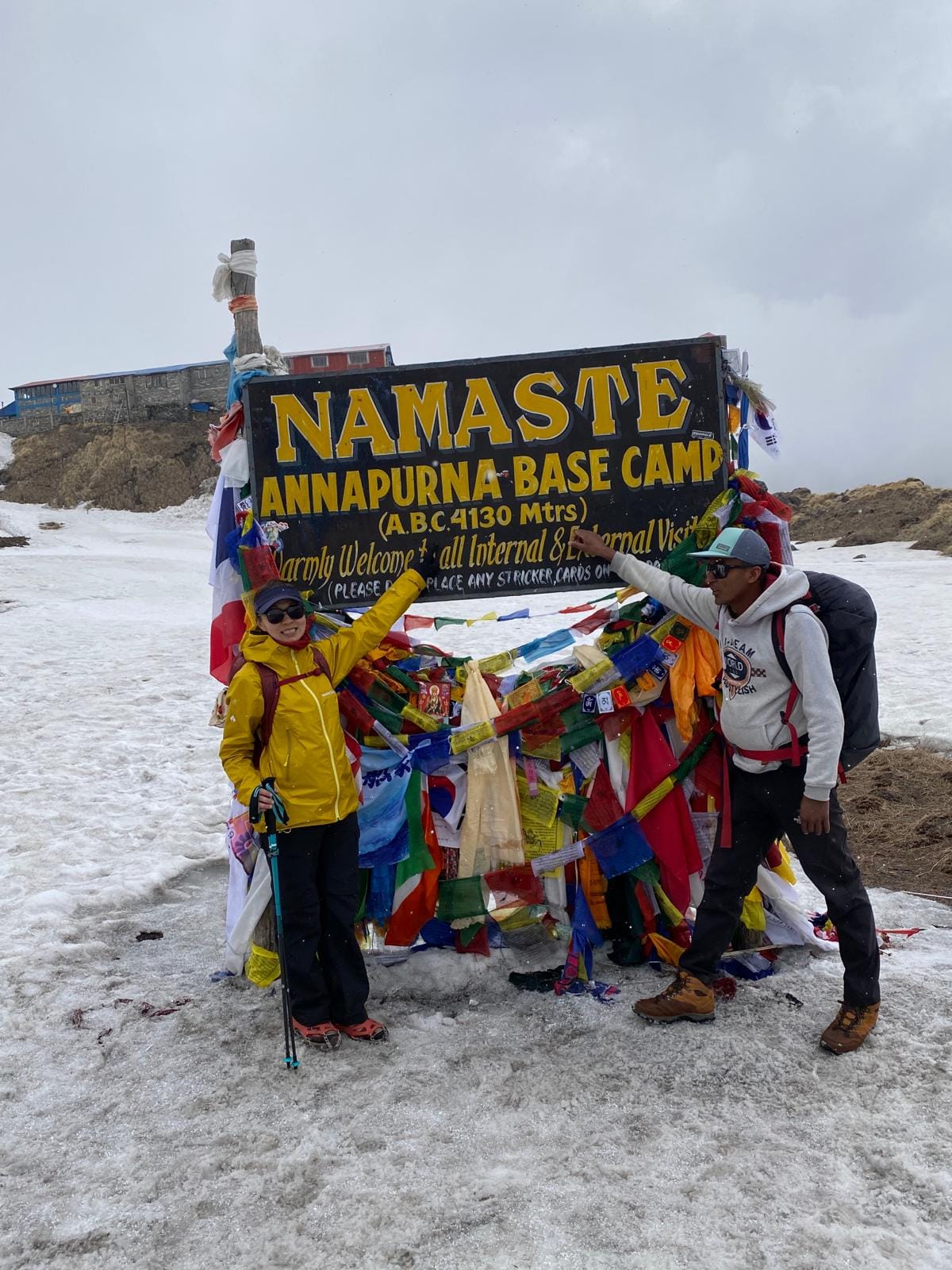
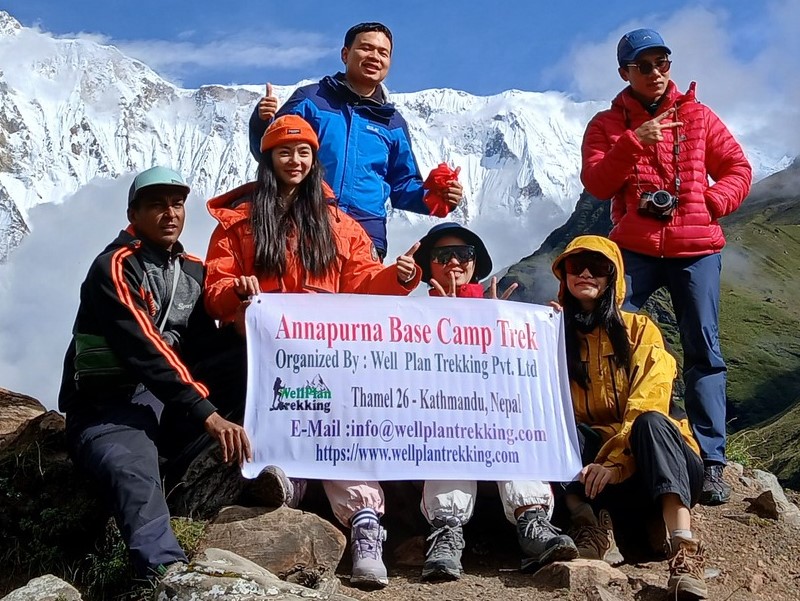
Moderate treks (like Annapurna Base Camp Trek ): You need better fitness as you’re walking longer days, the trails are steeper, and you’re dealing with altitude. You should be able to run or cycle without getting too tired.
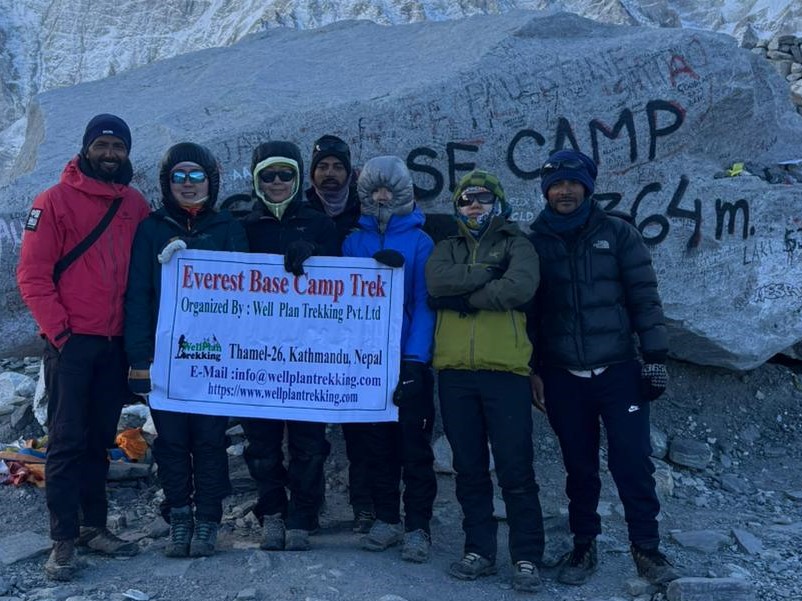
Hard treks (like Everest Base Camp Trek or Manaslu Circuit Trek ): These need real training and high altitude experience. If you’re a beginner, save these treks for later.
How to Train for Your Trek
Start training about 6-12 weeks before your trip. Get some cardio in for about 30-45 minutes every 3-4 times a week. Do stairs while wearing a backpack with some weight in it. This copies what you’ll actually do on the trek better than anything else. Do squats, lunges, and step-ups. Planks and bridges make your stomach and back strong, help with balance on rocky ground, and prevent back pain. Wear your trekking boots on long walks as your feet need to get used to them. If you do some training and know what to expect, you’ll be fine during the trek.
What to Pack
You don’t need tons of stuff. You just need the right stuff. The weather in the mountains changes crazy fast. You could be sweating one minute and shivering the next. The trick is wearing layers. Start with a base layer that goes right against your skin. Get something that pulls sweat away from your body; merino wool or synthetic stuff works best. Make sure not to use cotton because it might hold sweat, and you’ll be cold and uncomfortable. Add a mid-layer like a fleece jacket or a thin down jacket. Something that keeps heat in. On top of that, wear a waterproof rain jacket and rain pants. The mountains get rain, so you need real waterproof gear, not cheap stuff that falls apart.
Invest in good waterproof hiking boots; this is where you should spend money. Your feet carry you the whole trek, and bad boots mean pain and blisters. Also, bring a warm hat, gloves, and a scarf for warmth. Beyond clothing, you’ll definitely need certain gear. Get a good backpack in the 40-60 liter range, trekking poles, a water bottle or hydration system, a first aid kit, and a headlamp. Pack light, though. A heavy backpack kills you, and people often bring too much “just in case.” You don’t need it, as most of what you’ll want, you can rent or buy in Kathmandu for cheap.
Dealing With Altitude
The higher you go, the less oxygen there is. Your body needs time to adjust. Sometimes your body can’t adjust fast enough, and you get sick. This is the real danger in trekking. Altitude sickness is basically your body struggling with less oxygen. Symptoms typically show up 6-12 hours after you go higher, including headaches, nausea, dizziness, extreme fatigue, and sleep difficulties. Most of the time, it’s mild and goes away with rest. However, sometimes it gets worse and becomes dangerous, so you need to take it seriously.
How to Not Get Sick From Altitude
Go up slowly and don’t rush to higher elevations. Drink tons of water, aiming for 3-4 liters a day at altitude. Hot water is better than cold since your body handles it better. Eat regularly too, even if you’re not hungry, because your body needs fuel. Talk to a doctor about taking Diamox pills before your trek. A lot of experienced trekkers take this to prevent altitude sickness. Most importantly, listen to your body. If you feel worse instead of better, go down. Altitude sickness gets worse if you keep going up, but it gets better if you go down. The good news is that beginner treks stay under 4,000 meters. At that height, most healthy people don’t have serious problems. But still don’t ignore warning signs and take the precautions seriously.
Respecting the Place and the People
Respecting the place and the people in the mountains can make your trek easier and more comfortable. Ask before taking photos, as some people don’t want their pictures taken. Learn some words in the local language. “Namaste” is the greeting, and learning a few other basic words will make people happy. Even trying to speak Nepali shows respect and effort. Dress appropriately by covering your shoulders and knees, especially near temples, since the mountains are religious places. Avoid touching sacred items like prayer wheels, stone carvings, and other religious objects. Be genuinely interested in the people you meet. Talk to them, ask about their lives, and remember that most mountain people are friendly and appreciate it when tourists care about them.
Taking Care of the Environment
Your simple act of taking care of your own choice can make a lot of impact on the mountain environment. Make sure you pack out everything you bring in, take out, including food scraps. Bring a reusable water bottle with a filter instead of plastic bottles, as plastic is a huge problem in Nepal. Stay on marked trails and don’t walk through forests or meadows, since these trails exist to protect the surrounding land. Save water by taking quick showers and not wasting it. Finally, buy local products by eating at local restaurants, sleeping in local teahouses, and shopping at local stores. This way, the money goes to people actually living there.
Other Important Stuff
Make sure you see a doctor beforehand and get any necessary vaccinations, talk about altitude sickness medicine, and get your teeth checked. These preparations matter. Also, let friends or family know your trek schedule and check in when you can. Make sure someone knows where you are at all times. Trekking in Nepal will be one of the best things you’ve ever done. The mountains are beautiful, the people are kind, and you’ll learn things about yourself you didn’t know. But it’s not a casual activity. You need to prepare, respect the rules and the place, and be safe about altitude. If you do these things, you’ll have an incredible experience.