
Pikey Peak Trek Overview
The Pikey Peak Trek is a 10-day adventure that takes you to one of the most rewarding sunrise viewpoints in all Nepal. Located in the remote eastern hills between Kathmandu and the Kanchenjunga region, Pikey Peak sits at 4,065 meters and offers jaw-dropping views of some of the world’s biggest mountains. If you’re looking for an amazing trek that doesn’t take forever, the Pikey Peak Trek is absolutely perfect for you.
What makes this trek so special is that it feels like a hidden gem compared to the overcrowded trails around Mount Everest. The routes are peaceful, the local villages are super friendly, and the sense of adventure is real. You don’t need months of training or extreme fitness levels to do this trek, which makes it ideal for first-time trekkers and experienced mountain walkers alike.
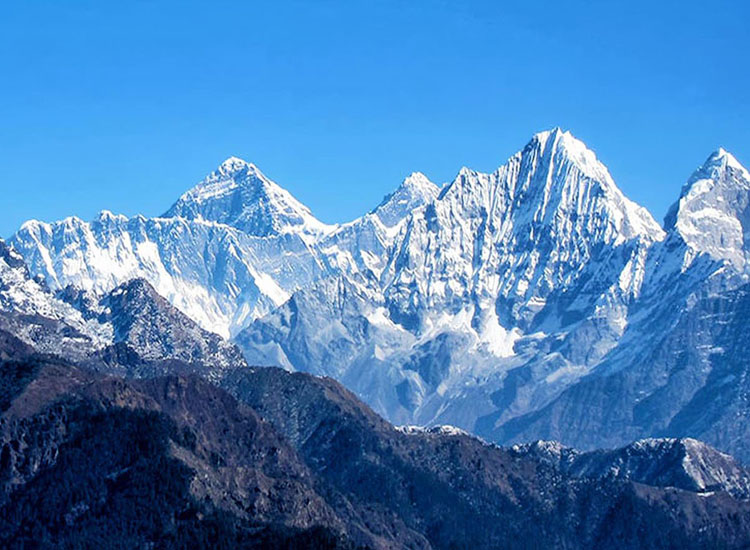
During this 10-day journey, you’ll climb through lush forests filled with rhododendron and pine trees, walk through traditional Rai and Limbu villages where life hasn’t changed for generations, and reach an ancient monastery that feels frozen in time. The main highlight is waking up early to climb to Pikey Peak’s summit and watching the sunrise light up the Himalayan mountains in front of you. On clear days, you can see Mount Kanchenjunga, Mount Makalu, Mount Lhotse, and dozens of other snow-covered peaks stretching across the horizon.
This trek is also perfect for trekkers who want to experience authentic Nepal without dealing with huge crowds. The trails are well-maintained, the local teahouses serve warm food and hot tea, and the communities along the route are genuinely welcoming to visitors. If you’re looking for a challenging yet achievable mountain adventure that feels fresh and real, the Pikey Peak Trek should definitely be on your bucket list.
Major Highlights of the Pikey Peak Trek
- Watch an incredible sunrise over the Himalayas from Pikey Peak at 4,065 meters.
- Climb through beautiful rhododendron and pine forests that cover the eastern hills.
- Visit the ancient Thupten Choling Monastery and interact with local Buddhist monks.
- Trek through traditional Rai and Limbu villages and experience authentic mountain culture.
- Enjoy relatively fewer crowds compared to popular Everest Base Camp and Annapurna treks.
- Experience a perfect balance of adventure and comfort with friendly local teahouses.
- See panoramic views of multiple Himalayan peaks including Kanchenjunga and Makalu.
- Cross beautiful high mountain passes and enjoy varied landscapes in just 10 days.
- Stay in cozy mountain villages and enjoy fresh home-cooked meals.
- Discover Nepal’s wild eastern region while supporting local mountain communities.
Why Pikey Peak Trek is Different from Other Nepal Treks
The Pikey Peak Trek sits in a sweet spot between two popular mountain regions. Unlike the heavily visited Everest Base Camp Trek that gets thousands of trekkers every year, Pikey Peak remains relatively quiet and peaceful. But unlike the super remote Kanchenjunga Circuit Trek that takes nearly a month, Pikey Peak is perfect for trekkers who have limited time but still want an amazing high-altitude experience.
The trek also offers something that a lot of Nepal treks miss: excellent sunrise views combined with real cultural immersion. Many people climb mountains and see beautiful scenery but never actually sit down and talk with local families. On this trek, you’ll stay in family-run teahouses, eat meals prepared by the lodge owner’s wife, and hear stories about life in the mountains from people who were born and raised there. This human connection makes the trek feel meaningful beyond just the physical challenge.
Another cool thing about the Pikey Peak Trek is that it’s achievable for people with varying fitness levels. You don’t need to be an elite athlete or have climbed Mount Everest to succeed on this trek. Regular fitness, a positive attitude, and a willingness to walk slowly and steadily is enough to reach the summit.
The Journey Through Different Landscapes
The Pikey Peak Trek takes you through three completely different environments in just 10 days. In the first few days, you drive through eastern Nepal and trek through warm, lush subtropical forests and farmland. The air feels tropical, people are farming rice and vegetables, and the landscape looks green and alive.
As you climb higher around Day 3 and 4, the vegetation changes completely. You enter cool forests full of rhododendron bushes and tall pine trees. The air gets clearer and colder, and you start seeing snow-covered mountains in the distance. This middle section of the trek is when you really feel like you’ve entered the real mountains.
Finally, in the last few days, you reach the high alpine zone where trees stop growing and the landscape becomes rocky and barren. Pikey Peak itself sits in this alpine world, and from the summit, you have nothing between you and the Himalayas except thin mountain air and incredible views.
Physical Preparation for the Pikey Peak Trek
The Pikey Peak Trek requires decent physical fitness, but it’s not as brutal as some other Himalayan treks. You’ll be walking for 5 to 7 hours on most days, so building your endurance before the trip is important.
Start by doing regular cardio exercise like jogging, cycling, or swimming at least 3 to 4 times per week. If you have access to stairs or hills, practice walking uphill while carrying a light backpack. This is honestly the best training for mountain trekking. Try to do a few longer hikes before the trek, carrying a day pack that weighs around 5 kilograms.
Strength training is also super helpful. Simple exercises like squats, lunges, step-ups, and planks will make your legs stronger and help you handle the uphill sections without getting too tired. A strong core also helps with balance on rocky, uneven trails.
Don’t worry if you’re not super fit when you start training. Most people who do this trek were regular people with regular fitness levels just a few months before the trek. Start training about 8 to 10 weeks before your trek date, and you’ll be completely fine.
| Day | Destination | Sleep altitude | Duration | Distance | Activities |
|---|---|---|---|---|---|
| 01 | kathmandu | 1345 M | 30 Min | 7 Km | Arrival at airport, hotel transfer, and trek briefing |
| 02 | Dhap | 2,850 m / 9,348 ft | 7-8 hrs | 250 km | Private jeep or bus drive from Kathmandu to Dhap village |
| 03 | Jhapre | 2,820 m / 9,249 ft | 6-7 hrs | 18 Km | Trek from Dhap through forests and farmland to Jhapre |
| 04 | Pikey Peak Base Camp | 3,640 m / 11,939 ft | 6-7 hrs | 22 km | Climb steeply through rhododendron forest to base camp |
| 05 | Pikey Peak & Lamjura Danda | 4,065 m / 13,333 ft | 6-7 hrs | 22 km | Sunrise climb to Pikey Peak, then trek to Lamjura Danda |
| 06 | Rest Day - Visit Thupten Choling Monastery | 3031 m | 6-7 hrs | 16 km | Rest day with monastery visit and cultural experience |
| 07 | Phaplu | 2413 m | 6-7 hrs | 15 km | Trek from Junbesi down through villages to Phaplu |
| 08 | Kathamndu | 1345 m | 7-8 hrs | 250 | Scenic jeep drive from Phaplu back to Kathmandu |
| 09 | Departure | 30 min | 7 km | Private transfer to airport for international departure |
Trip Details Itinerary
Day 01: Arrival at Kathmandu Airport and Hotel Transfer
- Distance : 7 Km
- Duration : 30 Min
- Max. Altitude :1345 M
You’ll land at Kathmandu’s international airport and our team will be waiting to greet you with warm smiles. We’ll transfer you to your comfortable hotel in a private vehicle, where you can rest after your long flight. Once you’ve settled in and freshened up, we’ll have a quick evening briefing to go over the trek plans, what to pack, altitude tips, and safety stuff. Don’t worry if you’re tired – most people just rest and explore the hotel area on this first day. If you arrive early, you can walk around your hotel neighborhood, grab some food, or take it easy and prepare yourself mentally for the adventure ahead.
- Accommodation: 3 Star Hotel
- Meals Include:
Day 02 Drive from Kathmandu to Dhap
- Distance : 250 km
- Duration : 7-8 hrs
- Max. Altitude :2850 M
Early in the morning, you’ll hop into a bus for a scenic drive through the eastern hills of Nepal. As you leave Kathmandu behind, the roads gradually climb higher and the air gets clearer. You’ll pass through small towns, farmland, forests, and mountain villages. The drive is long but super beautiful – you’ll see how the landscape slowly changes from warm valleys to cooler hill regions. Stop along the way for lunch at a small local restaurant and stretch your legs. By evening, you’ll arrive at the village of Dhap, which sits high enough that the air already feels different. After settling into your teahouse and eating a warm dinner, you’ll probably sleep really well after the long travel day.
- Accommodation: Tea House
- Meals Include: Breakfast , Lunch and Dinner
Day 03: Trek from Dhap to Jhapre
- Distance : 18 km
- Duration : 6-7 hrs
- Max. Altitude :2820 M
Today your actual trekking adventure begins! After breakfast at your teahouse, you’ll start walking on mountain trails that connect traditional villages. The route isn’t too hard – mostly gentle to moderate uphill sections with some downhill walking mixed in. You’ll walk through forests, past farmland where local people are growing crops, and through small Rai villages where kids will probably say hello and ask about your country. The teahouse owners are super friendly and will chat with you about mountain life. Jhapre is a small peaceful village where you’ll spend the night. Take time to walk around, talk with locals, and just soak in the mountain atmosphere. The sunset views from Jhapre are often pretty amazing.
- Accommodation: Tea House
- Meals Include: Breakfast , Lunch and Dinner
Day 04: Trek from Jhapre to Pikey Peak Base Camp
- Distance : 22 km
- Duration : 6-7 hrs
- Max. Altitude :3640 m
This is a bigger day with some serious climbing involved, but it’s super rewarding. You’ll trek through beautiful rhododendron and pine forests that feel like you’ve stepped into another world. The trail climbs steadily upward, and as you get higher, the air gets noticeably cooler and thinner. You might feel slightly tired or short of breath – this is totally normal and just your body adjusting to higher altitude. The rhododendron forests are especially stunning if you’re trekking in spring (March-May) when they’re covered in pink, red, and white flowers. Pikey Peak Base Camp sits at 3,640 meters, and from here you can already see snow-covered mountains. After dinner, try to rest well because you’ve got an early wake-up call tomorrow for the sunrise.
- Accommodation: Tea House
- Meals Include: Breakfast , Lunch and Dinner
Day 05: Sunrise Climb to Pikey Peak and Trek to Lampjura Danda
- Distance : 18 km
- Duration : 6-7 hrs
- Max. Altitude :4065 M
Set your alarm for 3:30 AM because this is the big moment you’ve been training for! You’ll wake up in the dark, eat a quick breakfast, and start climbing toward Pikey Peak’s summit with your guide and a flashlight. The climb takes about 1.5 to 2 hours through alpine terrain. As you get closer to the summit, the sun starts rising and the whole sky turns orange and pink. When you reach the top just as the sun breaks over the horizon, it’s honestly one of those life-changing moments. On clear days, you can see Mount Kanchenjunga, Mount Makalu, Mount Lhotse, and dozens of other Himalayan giants all lit up in golden sunrise light. After spending time at the summit taking photos and just soaking in the moment, you’ll descend back to base camp for breakfast. Then it’s a descent and climb to Lamjura Danda village where you’ll spend the night. This is definitely the best day of the trek
- Accommodation: Tea house
- Meals Include: Breakfast , Lunch and Dinner
Day 06: Rest Day - Visit Thupten Choling Monastery
- Distance : 16 km
- Duration : 6-7 hrs
- Max. Altitude :3031 M
After the big climb yesterday, today is a gentler day focused on culture and rest. You’ll trek from Lamjura Danda down to the village of Junbesi, stopping along the way at the beautiful Thupten Choling Monastery. This ancient monastery is one of the most peaceful places you’ll visit during the trek. Inside, you’ll see colorful Buddhist paintings, prayer wheels, and monks doing their daily prayers and rituals. If you’re respectful and quiet, the monks might show you around and explain what everything means. The monastery is perched high on a hillside with incredible mountain views. After exploring, you’ll continue to Junbesi village, where you’ll rest for the night. Junbesi is a real working village, not a tourist spot, so you’ll see how mountain people actually live day to day.
- Accommodation: Tea House
- Meals Include: Breakfast , Lunch and Dinner
Day 07: Trek from Junbesi to Phaplu
- Distance : 12 km
- Duration : 5-6 hrs
- Max. Altitude :2413 M
Today’s trek is more relaxed and mostly downhill, which feels great after the challenging higher-altitude sections. You’ll descend through forests, past more traditional villages, and through farmland as you gradually lose altitude. The warmer air of lower elevations starts to feel nice again. You might see local farmers working in their fields, kids playing in villages, and prayer flags fluttering in the breeze. Phaplu is where you’ll spend your last night in the mountains before the long drive back to Kathmandu. This small town is the main hub for this region and has more basic facilities than the village teahouses. After weeks of mountain life, even a small town with electricity and running water feels nice.
- Accommodation: Tea House
- Meals Include: Breakfast , Lunch and Dinner
Day 08 : Drive from Phaplu to kathmandu
- Distance : 240 Km
- Duration : 6-8 Hrs
- Max. Altitude :1345 M
Your mountain adventure is coming to an end with a beautiful scenic drive back to Kathmandu. You’ll leave early in the morning and spend the whole day in a jeep enjoying the rolling hills, forests, rivers, and changing landscapes of eastern Nepal. Stop at a local restaurant for lunch and stretch your legs. This long drive gives you time to think about the incredible 9 days you just experienced. By evening, you’ll be back in Kathmandu where you can take a hot shower, sleep in a comfortable bed, and enjoy good food at nice restaurants. After spending days in remote mountain villages, the city might feel a bit overwhelming, but it’s also nice to return to civilization.
- Accommodation: 3 Star Hotel
- Meals Include: Breakfast , Lunch and Farewell Dinner
Day 09: Final Departure from Kathmandu
- Distance : 7 km
- Duration : 30 Min
- Max. Altitude :1345 M
Your amazing Pikey Peak adventure ends today. Our representative will transfer you to Kathmandu’s international airport in the morning where you’ll check in for your flight home. As you fly away from Nepal, you’ll be carrying memories of incredible mountain views, new friends you made on the trail, the peaceful feeling of the monastery, and that unforgettable sunrise from Pikey Peak. You’ll also have a deep appreciation for how strong and capable your body is. We really hope you had an amazing time and that you’ll come back to Nepal for another adventure in the future. Thanks for joining us on this incredible journey!
- Accommodation:
- Meals Include: Breakfast
Cost Details
What is Included
- Airports pick up and drop off, upon arrival and departure in Kathmandu.
- Pre-meeting before the trek.
- 2 Night 3 star Hotel Kathamndu with breakfast
- Three meals a day (Breakfast, Lunch and Dinner) including a cup of tea/coffee.
- Trekking Lodge (Tea House) accommodations throughout the trek.
- All necessary permits and paper works.
- local Bus from Kathmandu to Dhap and Kathmandu from Phaplu.
- A highly experience, helpful, knowledgeable, friendly, well English speaking well trained, Government License holder guide With all his salary, food, drinks, accommodation, transport and insurance.
- Medical supplies (first aid kit will be available).
- Arrangement of Emergency Helicopter service which will be paid by your Travel insurance company.
- well Plan Trekking T-shirt and duffel bag.
- Pike Peak route map.
- Oxymeter to check your pulse and oxygen saturation and heart rate twice daily (Very useful to check Altitude Mountain Sickness (AMS) symptoms)
- Assistant guide group size above 6+ person.
- Farewell dinner in Kathmandu at a cultural restaurant
OPTIONAL ADDONS(Available during check-out)
- Private Jeep/private car
Cost Exclude
- Accommodation and meals whilst you are in Kathmandu
- Nepal entry visa fee $50 USD for 30 days visa on arrival.
- Your Travel insurance.
- Strong, helpful porters with proper equipment (1 porter= two people). with all his salary, food, drinks, accommodation and insurance. for whole trip (USD 150 per porter )
- International airfare.
- Your personal expenses.
- Water, any fizzy drinks extra tea coffer and desserts, snacks.
- Hot shower, battery charging, use of WIFI.
- Tips for the guide, porter and driver (highly expected)
Equipment’s
Recommended equipment list
This list is a guide to help you pack for your trip. This is not intended to be a comprehensive clothing and equipment list; rather, it is intended to act as a reminder of those items that we feel are necessary for your comfort and convenience. We also suggest that you pack only what is necessary.
Head
• The warm hat that covers your ears
• Sunglasses
• Sun hat
• Headlamp with extra batteries
Upper body
• T-shirts
• Fleece jacket or sweater
• Fleece wind –stopper jacket
• Waterproof shell jacket
• Down vest and /or jacket (optional)Hands
• Lightweight gloves (water /windproof)
• Heavyweight gloves or mittens with a waterproof shell outer
Lower body
• Underwear
• Hiking trousers
• Fleece or woolen trousers
• Lightweight thermal bottoms
• Lightweight cotton pants
• Waterproof (preferably breathable fabric )shell pants Feet
• Thin lightweight inner socks
• Heavy poly or wool socks
• Hiking boots with spare laces
• Camp shoes (sneakers and sandals)
Sleeping
• Sleeping bag (good to -10 degrees C de 14 degrees F)
• Fleece sleeping bag liner (optional)
Toiletries
• Toothbrush /paste
• Multi-purpose soap
• Nail clippers
• Deodorants
• Medium-sized quick-drying towel
• Face and body moisturizer
• Small mirror
• Female hygiene products
Personal hygiene
• Wet wipes (baby wipes)
• Tissue/toilet roll
• Antibacterial hand wash
Medical
• Small, a personal first-aid kit (simple and light)
• A cough and /or cold medicine
• Anti –altitude sickness pills; Diamox or acetazolamide
• Stomach antibiotic
Extras /luxuries
• Reading book
• Trail map /guidebook
• Journal and pen
• Travel game(chess, backgammon, playing cards etc)
• Modest swimsuit
• Binoculars
• Camera
Trip Map
FAQ
The best seasons for the Pikey Peak Trek are spring and autumn. In spring (March to May), the weather is stable, the skies are mostly clear, and the rhododendron forests are blooming with beautiful flowers. The days are warm but the nights are still cold at high altitude. Autumn (September to November) is also excellent – the weather is super stable, the air is clear, and visibility of the mountains is amazing. Winter is possible but really cold at high altitude, and monsoon season (June to August) brings heavy rain and clouds that block the mountain views.
The Pikey Peak Trek is moderately challenging. It’s harder than easy walks but not as tough as serious mountaineering. You’ll be walking 5 to 7 hours most days with some steep uphill sections. Good fitness and previous trekking experience definitely help, but the trek is totally achievable for first-time trekkers who prepare properly. The key is walking slowly and steadily rather than trying to rush.
Yes, absolutely! The Pikey Peak Trek is perfect for first-time trekkers. The route is well-established, you’ll stay in teahouses where you can rest each night, and your guide will take good care of you. Just make sure you train for 8 to 10 weeks before the trek to build your fitness and leg strength.
Altitude sickness is possible since you’ll be above 3,500 meters for several days, but the risk is lower than on bigger mountains. The trek includes time for acclimatization, and you’re only at maximum altitude (Pikey Peak at 4,065m) for one day. Most people experience mild symptoms like headache or tiredness but nothing serious. Drink lots of water, eat well, and listen to your guide’s advice.
During the trek, you’ll stay in local family-run teahouses that are basic but clean and warm. Most rooms are simple with basic beds, blankets, and sometimes shared bathrooms. The teahouses don’t have hot showers, but you can usually get hot water for washing. In Kathmandu, you’ll stay in a comfortable 3-star hotel with all modern facilities.
The teahouse food is simple but delicious and totally vegetarian-friendly. You’ll eat Dal Bhat (lentils and rice), fried rice, noodles, eggs, vegetables, and potatoes. Most meals are hot and filling, which is perfect for trekking. The lodge owners’ wives are amazing cooks who use fresh local ingredients. You might find the food repetitive, but it’s healthy and gives you energy for long walking days.
Bring good trekking boots that you’ve broken in, warm layers including thermal underwear, a heavy insulated jacket for high altitude, waterproof rain jacket and pants, hat and gloves, sunglasses, sunscreen, a good sleeping bag rated for cold temperatures, and trekking poles. Pack everything in a backpack – we recommend 50 to 60 liters for 10 days. A smaller 20 to 30 liter day pack is also useful for carrying daily essentials.
Some teahouses in bigger villages have electricity from generators or solar panels, and they might charge your phone for a small fee. WiFi is very limited and usually only available in Kathmandu. Accept that you’ll be disconnected from the internet and emails during the trek – this is actually one of the best parts! Bring a good power bank to charge your devices when needed.
Trek costs vary depending on what company you book with, but budget roughly $500 to $1,000 for 10 days including flights within Nepal, jeep drives, accommodation, meals, and guide services. Budget separate money for international flights, tips, and anything you buy in Kathmandu
No technical climbing skills are required. The Pikey Peak climb involves hiking on rocky alpine trails, but it’s not rock climbing or mountaineering. Your regular trekking boots, poles, and normal fitness level are plenty. The climb is more about endurance and determination than technical ability.
Your guide is trained to recognize altitude sickness symptoms. If you get sick, the solution is usually to descend to a lower altitude and rest. The itinerary includes rest days and gradual altitude gain to help prevent problems. Communicate openly with your guide about any symptoms you’re feeling – there’s absolutely no shame in taking things slower or resting an extra day.
Way fewer people trek Pikey Peak compared to Everest Base Camp. While thousands of trekkers crowd the Everest trails every year, Pikey Peak remains relatively peaceful and quiet. This is one of the best things about this trek – you get incredible mountain views and an authentic experience without huge crowds.
Yes! We strongly recommend hiring a porter if this is your first trek or if you’re worried about your fitness. Porters charge roughly $ 20 to $25 per day and will carry your heavy backpack while you carry just a light day pack. This makes the trek SO much more enjoyable and lets you focus on the scenery instead of being exhausted.

