
Annapurna Trek Guide
Annapurna Trek Guide: ABC, Circuit Routes & Everything You Need to Know
What does your journey to the Annapurna Circuit Trek look like?
To reach the Annapurna region, you’ll take a short flight or bus ride to Pokhara and from there, you’ll be driven to Jhinu, then trek to Sinuwa. The Annapurna region is located in the Gandaki region of Nepal. The main attraction is Annapurna I, the 10th highest mountain in the world at 8,091 meters (26,545 feet). Annapurna Trek Guide: The Annapurna Circuit trek is a classic 12-21-day journey that circles the entire Annapurna Massif. As you trek through this region, you’ll cross the famous Thorung La Pass at 5,416 meters (17,769 feet), visit Annapurna Base Camp, and pass through rhododendron forests. You’ll encounter warm local communities, experience high altitude trekking, and discover why the Annapurna region is one of the world’s most popular trekking destinations.
About Annapurna Base Camp
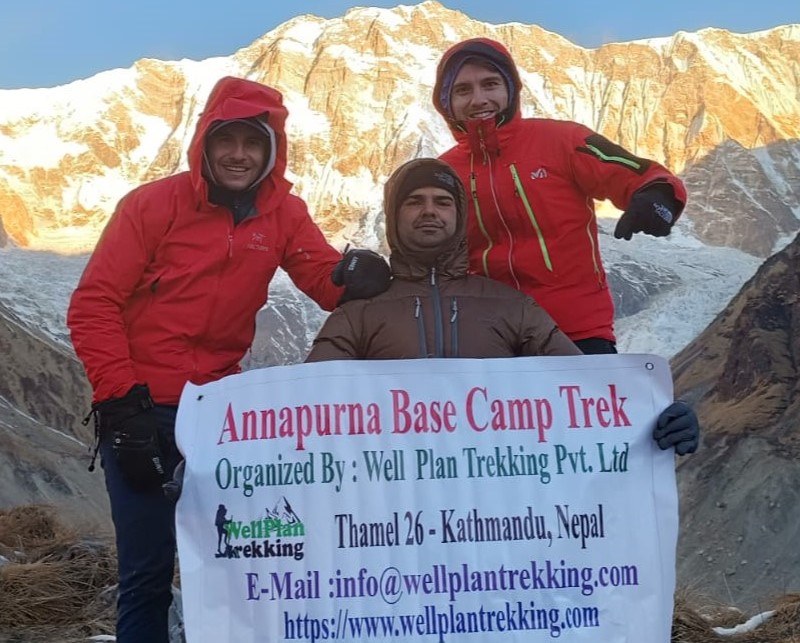
Annapurna Base Camp sits at 4,130 meters (13,549 feet), surrounded by a 360-degree amphitheater of Himalayan peaks. The trek covers approximately 110 kilometers (68 miles) round-trip from Pokhara. Unlike the longer Annapurna Circuit Trek, which circles the entire massif, ABC focuses on reaching the base of Annapurna I (8,091m/26,545 feet), the world’s tenth-highest mountain. The standard route begins in Nayapul (1,070m/3,510 feet) or Kimche (1,640m/5,381 feet), ascending through subtropical forests and terraced farmlands before entering the Modi Khola gorge. Ghorepani (2,874m/9,429 feet) and Poon Hill (3,210m/10,531 feet) are common additions that add 2-3 days but offer stunning sunrise panoramas.
Route Information in Brief
Once you reach Pokhara, you have multiple Annapurna trekking routes to choose from, depending on your fitness level and available time. The Annapurna Circuit trek is the most popular option, taking 12-21 days to complete as you circle the entire Annapurna Massif and cross the challenging Thorung La Pass. If you’re short on time, the Short Annapurna Base Camp Trek or Short Ghorepani Trek are the best alternative options that take 8-10 days and can still offer incredible mountain views of Annapurna I and surrounding peaks.
Best Time For Annapurna Circuit Trek
The best time to trek Annapurna is during autumn (September to November) and spring (March to May) when the weather is stable, and visibility is excellent for photography. During monsoon season (June to August), heavy rainfall makes trails muddy and obscures views, while winter brings snow and extreme cold at higher altitudes.
Accommodations Along the Trek to the Annapurna Region
In the Annapurna region, you’ll find comfortable tea house accommodations. These tea houses are family-run establishments that offer basic but clean rooms, often with twin-sharing bedrooms, blankets, and other basic facilities. The rooms are simple yet warm and welcoming. Most tea houses provide hot water for washing and bucket showers with an extra charge. Squat toilets are the standard facility, and Western toilets are available at popular stops. At higher altitudes near Thorung La Pass and Annapurna Base Camp, accommodations become more basic with fewer amenities. During peak trekking seasons (autumn and spring), it’s wise to book ahead or start early each day to secure beds, as popular routes can get crowded.
Activities and Experiences Along the Trek
Annapurna Trek Guide , During your trek through the Annapurna region, you’ll encounter countless activities beyond just hiking that make this journey memorable. Annapurna photography is a major highlight as every turn offers stunning mountain views of Annapurna I and Machhapuchhare that are worth capturing, especially during sunrise and sunset. You can visit local villages along the Annapurna Circuit and interact with Gurung and Magar communities, learn about their traditions, and might even get a chance to participate in daily village activities. Here, you might also encounter Himalayan birds, mountain goats, etc . You can also take side trips to monasteries and sacred sites, where you can meditate, observe Buddhist practices, and gain spiritual insights. Rhododendron forests provide natural walking experiences, making them perfect for nature lovers. The villages themselves offer opportunities to shop for local handicrafts, taste authentic Nepali food, and connect with fellow trekkers from around the world.
Lifestyle in the Annapurna Region
Annapurna Trek Guide, The Annapurna region hosts Gurung, Magar, Thakali, and Tibetan-origin communities. Gurung settlements like Ghandruk and Chhomrong rely on terraced agriculture, cultivating rice, millet, and potatoes alongside livestock rearing. Hinduism and Buddhism coexist, and major festivals like Dashain (October) and Tihar (November) draw villagers back from teahouse work to family homes for celebrations. Dal bhat (lentil soup with rice) is the daily meal served twice and is supplemented by dhindo (millet porridge), gundruk (fermented greens), and seasonal vegetables. Chang (millet beer) and raksi (distilled alcohol) accompany social gatherings. The Annapurna Conservation Area Project (ACAP), established in 1986, manages sustainable resource use through community committees. Permit fees fund schools, health posts, and micro-hydro projects that reduce firewood dependence. Education reaches most villages below 3,000 meters (9,843 feet), though secondary schooling requires relocation to Pokhara.
Choosing the Best Trek of the Annapurna Region for You
The Annapurna region has much more to offer you. You’ve a lot of choices, and if you’re a first-time trekker with limited experience or have only 8-9 days available, the Short Ghorepani Trek or Ghorepani Poon Hill Sunrise Trek suits you best, reaching a maximum of 3,210 meters (10,531 feet) at Poon Hill with moderate daily walks of 5-6 hours.
However, if you want closer mountain views and can handle 4,130 meters (13,549 feet) with 10 days to spare, the Annapurna Base Camp Trek delivers the best experience. If you prefer high-pass adventure but have limited time, the Short Annapurna Circuit Trek (12 days) can be best for you. And if you have more than 15 days and want the complete cultural and geographical transition from subtropical valleys to the Tibetan plateau, the full Annapurna Circuit Trek is available in your list.
If you are someone who seeks a similar mountain experience with fewer crowds, the Mardi Himal Trek can best fit your needs. And if you are trekking at high altitude for the first-time, you should attempt Ghorepani or ABC.
What After Annapurna Trek
After your trek to the Annapurna region, you can spend a day or two in Pokhara, enjoying paragliding from Sarangkot (1,592m/5,223 feet), ultralight flights, visiting Phewa Lake and boating, or simply resting before the journey back to Kathmandu, or you can directly move to Kathmandu, depending on your departure schedule. In Kathmandu as well, you can explore Durbar Square, Swayambhunath, and Pashupatinath before international flights. You can let us know about your time and schedule, and we can help you find the best activities to do based on your needs and preferences.


